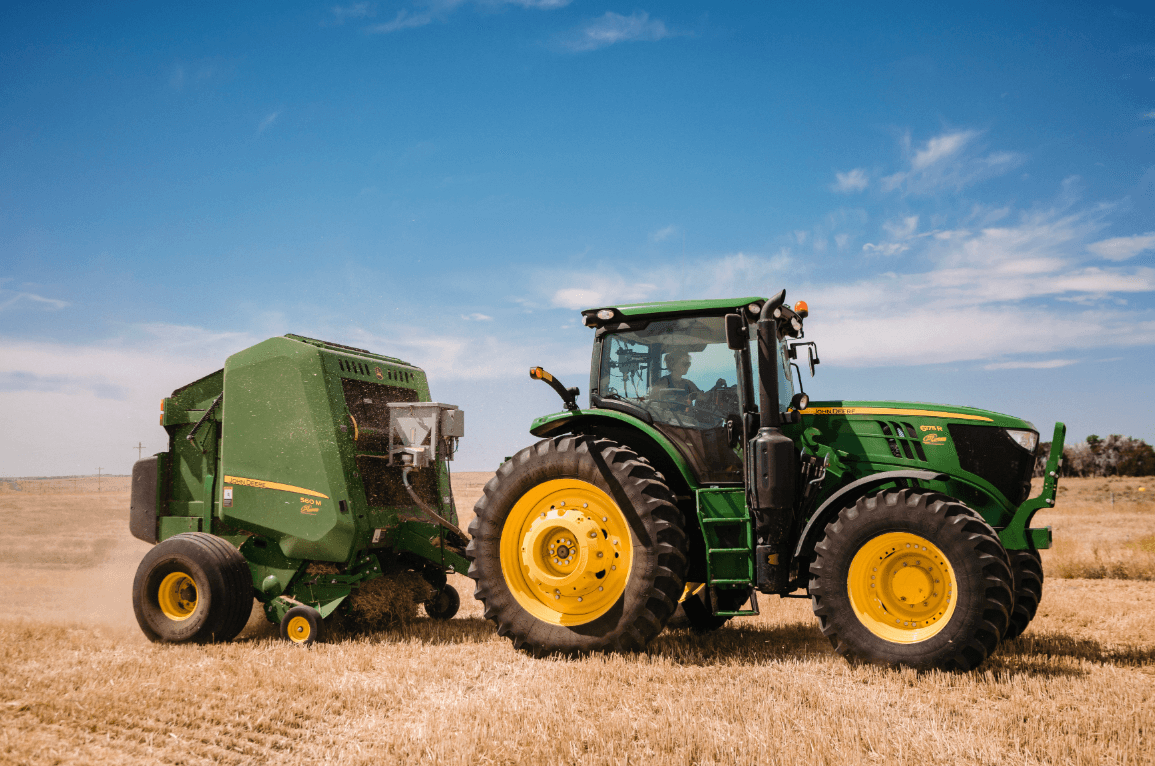
Cut Fertilizer Costs 80%? - The FarmCast Ep.73
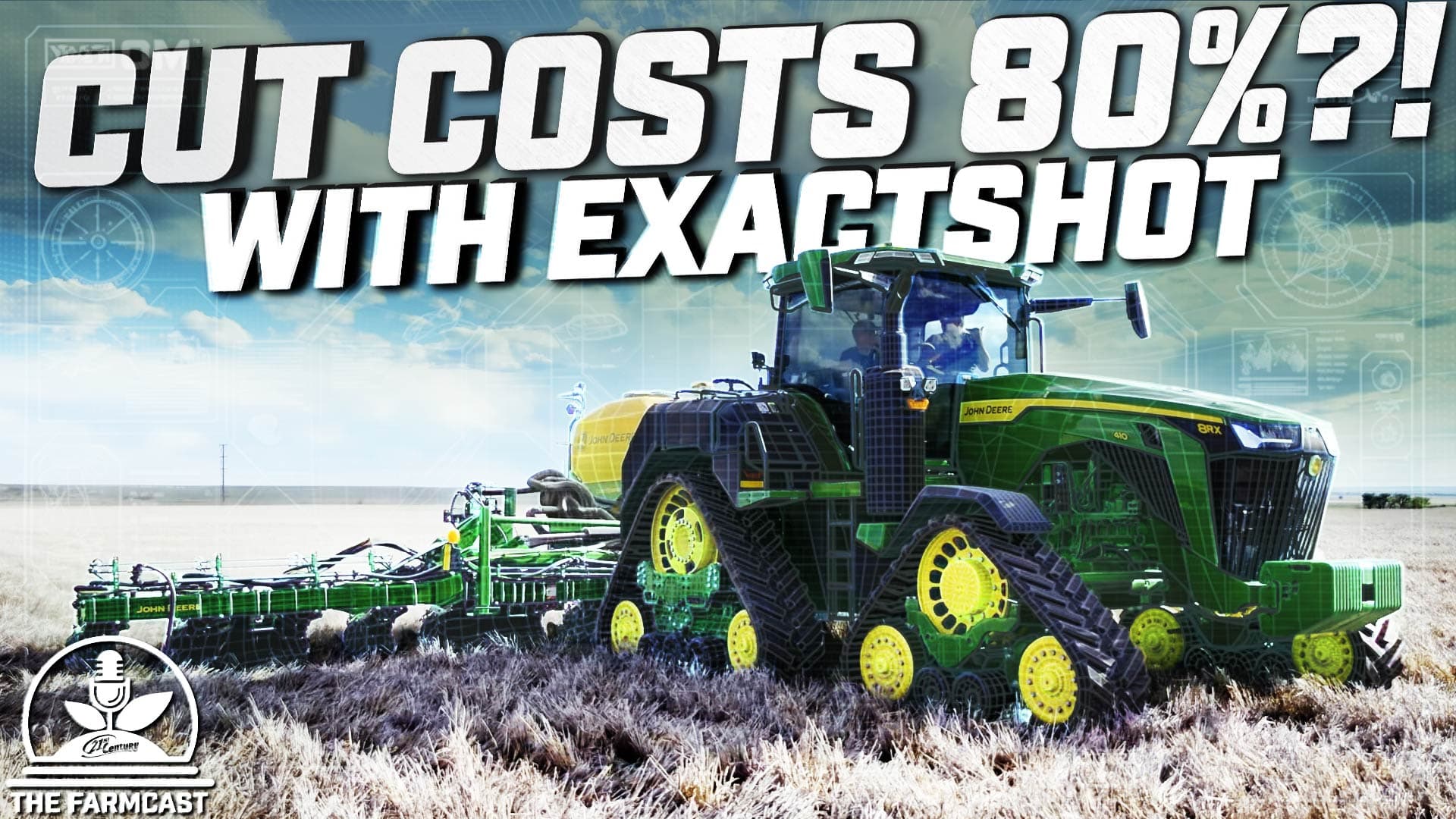
Levi Lemons, a product specialist for planters and combines, focuses on the equipment side, showcasing the John Deere 1725C planter equipped with ExactApply, ExactShot and other advanced features. He explains how the system uses precision nozzles to apply fertilizer in tight bands directly on the seed, reinforcing the same savings figures seen in trials—up to 66% in irrigated fields and 80% in dryland. Levi highlights efficiency gains, such as reduced downtime from fewer fertilizer refills and the ability to plant longer between stops. He also introduces new updates that allow operators to adjust application placement between seeds, which can help prevent crop burn and optimize nutrient placement based on spacing and field conditions, all controlled through the in-cab display.
Preston Jueneman discusses innovations in John Deere air seeder technology, particularly around implement guidance and accuracy. He explains how newer systems come factory-equipped with StarFire-ready receivers, enabling better integration with AutoPath and implement guidance for more precise field operations. This is especially valuable in challenging conditions like sandy soils, where equipment can drift, making consistent row spacing difficult. He also highlights the benefits of tank scales and improved meter calibration, which allow farmers to measure inputs more accurately and simplify setup. Real-world feedback shows impressive precision, with some growers reporting seed usage accuracy within just a couple of bushels over large acreages, demonstrating the reliability and efficiency of these systems.
Isabel Drobny, a precision ag consultant, wraps up by focusing on John Deere AutoPath technology and its impact on high-value crop production. She explains how recording exact row locations during planting allows subsequent passes to avoid running over crops, reducing damage and maximizing yield. AutoPath uses data from previous operations to guide equipment with high precision but requires an implement receiver and advanced licensing to function. Isabel also outlines how to set up work plans in John Deere's Operations Center and the importance of accurate boundary mapping, ideally recorded in the field using high-accuracy GPS. She notes that these practices not only improve current efficiency but are also essential for future advancements like autonomous farming.